For this remix assignment, I decided to create a playlist with remixing song titles to read, “You can get through these tears and I believe in you.” As a simple reminder for anyone reading this post that whatever you may be experiencing, especially things that are associated with sadness – someone is always rooting for you! I know I definitely needed the sign this week too.
Tag Archives: Posiel
Dealing with Disappointment
Dear reader,
At this point in my life, I know failure is necessary. I know that not receiving a good grade is only the precursor to a better grade. But that didn’t soften the sucker punch I got to my ego as I looked at a grade for a paper this morning. I know this is a bit dramatic for a B-. But moments like these are where I magnify my mistakes most. I’m a person who’s gotten good grades for writing consistently. Ever since I was young, writing was the only subject that I consistently do well in. It felt like the only thing I was good at.
I prided myself in seeing these numbers, green circles, “great jobs” on the white margins of my papers.
Seeing question marks and red lines in its place made it feel like I failed myself.

I know this doesn’t make too much sense. One bad paper can’t undo all of the good writing and good grades I’ve gotten in the past. Honestly, the idea that I’m still so affected by what a grade can do to my confidence bothers me. I have gotten a D in the past for a draft once, and after getting an A+ on the final copy, I felt like there was no way I could feel as down as I did having almost failed.
But Jester! When I get a grade I don’t expect, it still feels like all of the progress I’ve made must have been a lie.
I did eventually learn that diminishing my own accomplishments because of one disappointment was a symptom of something called imposter syndrome. It’s named for how people feel that they are imposters because they doubt their own skills and accomplishments. Learning that other people felt the same way made me feel more heard than fighting the voice in my head telling me that focusing on my failures was illogical. I wrote about imposter syndrome after coming to terms with the way I would feel about it.
Today, though, knowing about this term worked against me. Knowing logically why I felt this way made it feel like I shouldn’t be feeling any embarrassment at all.
I wanted to jump straight to logically figuring out how I could be better. But by not acknowledging my feelings on the topic, I denied myself the right to feel hurt. Today, an uncomfortable heat burned in my chest as I paced back and forth on the commute home, lost in a cycle of thoughts.

“Don’t you know better by now to still be making the same mistakes?” parroted the same thought, over and over again.
With my face still rather flushed, I messaged my partner, rambling about my predicament. I knew two things: the first, I was really embarrassed. The second was that my embarrassment wasn’t worth entertaining because I knew it was just imposter syndrome, but I was still embarrassed. At that moment, he let me vent, and he told me exactly what I needed to hear: I was a good writer, and one moment couldn’t destroy what I’ve done. And even then, it still sucks because it’s something I take pride in.
Although this is what I’ve been telling myself in my head in an attempt to stay these embarrassing thoughts, having someone else tell me that I deserve to have my little pity party made me understand that, in a way, I needed to sit through that burning feeling. He didn’t tell me what I needed to do, he just listened.
His kindness reminded me of exactly what I needed: just to accept what I was feeling in this moment. Although this was a very minor situation, being able to digest these feelings safely was really helpful. After this, I could put some distance between my feelings and figure out what to do next: I spoke with my professor, and in a calmer mood, I got a much clearer idea of what I could do to improve.
In the past, another way I’ve done this is to write about it or talk about it with someone I’ve trusted. My main takeaway from today is that failing is indeed a step in the path of success. It’s just a step I don’t have shortcuts for, and I have to accept it. Nasty feelings and all.
Love,
Kelly
The World Through My Screen
Dear reader,
I’ve been scrolling through my phone a lot lately. It’s hard not to — like many people around me, I’ve been up all night looking at updates on the Russia-Ukraine war. Immediately, I felt compelled to immediately share any resources I found. But I stopped myself to take a breather: I hadn’t even checked if the resources were truly helpful, or scams. I didn’t know if all I was doing was spreading fear for a very scary situation. And more importantly, absorbing these news made me too agitated to actually do some research.
This instinct to keep taking in horrible news has been recently coined as, ”doomscrolling.” Merriam Webster defines doomscrolling as this:

For the last two years, I got into the habit because I was on my phone more. With restrictions preventing me from seeing my friends, it suddenly felt like my technology was simultaneously a social hub and news outlet. I could separate the two before, but now I had to go on my phone to contact my friends. I was on my phone and computer more than ever, and there was never a break in bad news.
As the Black Lives Matter movement escalated, stories of COVID-19 tragedies, news about anti-Asian hate crime surrounded me, I felt the need to spread info about these news on my social media platforms. I’d share these infographics I found on Instagram about the situation, and add them to a highlight reel so they felt more permanent.

There is a numbing effect to accessing all of these tragedies instantaneously, and for me, spreading how important it is that everyone care about it makes it feel as important as it should be. Worse, I felt like I had to prove I was sympathetic. I couldn’t reach out to friends. The news was exhausting. Doomscrolling made my only outlet to contact my friends during harsh COVID-19 restrictions a burden. Any new notification, including a notification from a friend, felt like an extra thing to check.
If that resonates with you, I want to tell you that you’re not a bad person for wanting a break. Social media is good for a lot of things — it keeps us immersed in everything from civilian footage to tips on how to make a good tarniquet. But there is harm in absorbing all of it immediately, and being expected to react immediately. No one can make sound decisions immediately. It’s unfair to expect it from yourself.
I understand perfectly well the feeling that spreading this information feels like the most useful thing to do. I’ve felt like prioritizing my mental health seemed so shallow in the face of something so horrible. But what I’ve learned is taking more time to absorb these news to form a reaction will help me make more informed decisions on what to share. That will be more helpful than fearfully sharing everything I deem trustworthy in three seconds.
Hopefully I can share some resources here, too. Please take care, everyone.
Love,
Kelly
Peer Review 2: Chii’s Sweet Home
Dear readers,
Today, I’m exploring Chii’s Sweet Home. Right away, the sweet header, soft colour scheme, and this enticing image really speaks to me that this website is a comforting place. It’s downright dreamy to look at.

The image, by the way, is from Studio Ghibli film From Up on the Poppy Hill. What a good aesthetic to use! Most people associate Studio Ghibli animations with comfort and beautiful animations, and for the subtitle of the blog, “Cooking and Chill. Home-cooked recipes, inspired by Asian cuisine with a touch of Western-style,” that suits it quite well!


The picture of ramen on the top of the homepage looks delicious, too. But initially, I thought it was a recipe or a photo she took, so that’s what I looked for. But I think it’s just a photo used to sell the impression that the average reader will find Asian cuisine here. It looks like this header photo rotates once in a while, too, but with the muted colours, it always blends in with the blog.
I’m a bit confused by the side bar because the text, “About This Blog” makes me expect that there will be a short description of what the blog is about. I feel like a short blurb about who Chii is here would do, since there’s a subtitle underneath the title and an about page in the menu.
Content
Peeking at Jana’s peer review of Chii’s website, Jana notes that Chii has done an excellent job visually of communicating that there are comforting recipes to be found here, and some real heart in Chii’s inspirations to cook. One challenge Jana issues is for Chii to insert more of her personal memories or stories into her posts. She remarks that her “cross-cultural experience” could be the foundation for Chii’s branding and how she writes. In other words, tapping more into Chii’s relationships with Vietnamese and Western cuisine could help blog posts be more personable.
In general, I think Chii is also leaning into the theme of a college student cooking alone finding cheap and healthy recipes, too. In her second essay, she writes, “I notice that a lot of people are having a hard time finding fun things to do while spending their days in isolation. And because we all stay at home, cooking becomes a crucial part of our life.” This personally spoke to me. Having accessible recipes that could also draw people to Asian recipes is really heartwarming. Like Jana, I think future posts should thread this feeling of Chii talking about her feelings about the recipes that she’s making. I’d like to see not just an explanation of what food she’s making, but more about why she made it and how she feels about it.
When I read her egg white recipe post, for example, I kind of felt like I wanted to learn more about those macaroons! And maybe hear a little about how Chii came up with this recipe: did she just think egg whites, onions, and proteins went well together? Did she like it? Just two sentences explaining those details can add more personality to Chii’s recipes that I think would really help it skyrocket!
Also, her more recent recipes are centered on healthy foods. Is there a reason? I know personally that making healthy foods can feel difficult because it might be too expensive, so that’s something Chii can talk about when she’s introducing those specific recipes.
I also see a really good opportunity to start making Youtube or Tiktok videos making the recipes, and linking the full recipe in the description of the videos. In the blog posts, I would personally suggest putting a video link after the recipe so that people can see Chii make the recipe herself, and so people don’t have to scroll too far to get to the recipe. I also suggest a video link rather than embedding a video in WordPress outright because it might take longer for the post to load for the average user.
Still, if Chii would like ad revenue from her blog posts, it could be a good strategy to write a story about the recipe she’s making before having the recipe available so that users have to scroll past ads. But that may annoy other users, too, so these are some considerations Chii would have to make.

With all of this being said, I think Chii’s latest post on the signature noodles in Vietnam is really interesting! This isn’t a recipe post, but it does give a really cool overview of Vietnamese cuisine. I found my mouth watering as she explained these recipes. I liked that in some dishes, she inserts her memories of the dish and how she experienced them. For example, she writes, “I would like to tell you a couple of abstract meanings for this dish,” about Bun Thang. She explains the difference between what Hanoians call the soup and how her grandparents referred to the soup, with the former referring to the ingredients and the latter just meaning soup.
I thought to myself that “thang” is similar to how my Hakka parents pronounce a healing kind of soup rather than a regular soup. So it’s cool to make that connection. And I think having those moments where readers can feel Chii’s sincerity in day-to-day posts is really powerful. Sentences like how Chii would return home to eat all of the chicken pho her mom would make her is something that I think would speak to Chii’s audience: fellow students away from home that really miss their parents’ cooking. Maybe she could include recipes that her mom made. Or, if her mother is like mine, joke about how her mom doesn’t really have a strict recipe with what she makes. Having personal details like that in every post really solidifies, content-wise, the lovely branding that Chii has already established visually.
Conclusion
Overall, I find Chii’s Sweet Home to be a really comforting website. It’s visually very cozy, and the suggested recipes are approachable, too. My biggest comment is for Chii to find ways to insert herself into the recipes of her website.
Chii’s second essay for PUBL 101 really spoke to me. She says that writing can sometimes feel like a weakness for her. Reading this, and Chii’s about page, I think Chii expresses herself really well emotionally. I would like to see her talk a bit more about herself when she cooks a recipe. When I see Chii talk about her memories, or what it’s like to be a student living in a different country trying to make meals affordable, that’s when I relate to her the most. She could ask herself questions like:
- What does this food remind me of?
- Are there any memories I have about making this food that I can share?
Answering these questions in one or two sentences a post will really bring back the feeling of cozy home cooking that I get from reading through Chii’s blog. I think Chii already does a good job of explaining the flavours and textures of the food, but having these personal connections would help set Chii’s recipes apart.
I would also ask Chii to credit where her photos are from directly under the photo itself. When using images that aren’t yours, it’s ideal to check whether they are under Creative Commons licenses. One way Chii can do this is to do a Google Image search, and under “Tools,” click “Usage Rights,” then “Creative Commons licenses.”

Besides this, Chii also shows clear interest in developing videos for her recipes! This would be a wonderful addition to her website. To make the process less intimidating and less tiring, Chii could just set up a video camera and record herself making the recipe step-by-step with music in the background. She may need a friend to help her record, but overall, having something to watch would help bring the content to life.
Love,
Kelly
Trying to Help My Brain: Part I
Dear reader,
Today I tackled a formidable mountain. It was made from about three weeks of the consequences of my actions.
I’m talking about my laundry.

I often find myself neglecting putting away my laundry for a few reasons. It feels like a much more formidable task to me than it actually is, and with every new load that I put, I’m reminded that the task has grown.
And in the last two weeks, midterms, job applications, and papers got the better of me. I got lost in a pile of papers and deadlines. I found that under this stress, I couldn’t focus, didn’t have much energy, and often had trouble getting out of bed. I felt like I was literally buried under things that were technically doable, but I had exhausted my threshold. The stress that I had to do something about the mess around me eventually while worrying about my work felt like a messy circle. I wanted to work, but I couldn’t work when I kept getting distracted by how my arm kept pushing into books, how I had two baskets of laundry, and how there was so little space in my closet that I couldn’t do anything about it all!

Finally, I saw the light at the end of the tunnel. I finished my workload, so as I stared at the amorphous pile of clothes sitting at the edge of my room, I thought I’d try something out.
Unfortunately, I can’t find the Tiktok now, but I saw a Tiktok that suggested setting a timer for how long you think a chore will take. The user said that this is because they often thought the chores took a lot longer than they actually did, and wanted visual confirmation.
I set a 30-minute timer to do about three baskets of laundry. And honestly, I know it sounds a bit lame to be impressed that it took 20 minutes, but I was! Here was this formidable task that I had been putting off for weeks because I thought it’d take up too much of my day. And there I was, worrying that I wouldn’t meet the timer I had set for myself, even if there wasn’t really any consequence for not finishing in time.
The first basket took about 6 minutes, and the last two only took about 14 minutes. As I put away the last of my shirts into my closet, I asked myself if this made it easier for me to do the chore regularly. And honestly, I’m not sure. Although time is a factor for why I can find it difficult to keep up with chores, it feels like one piece of the puzzle.
Even so, I felt so much better once I’d done it. I definitely felt like it was a lot less scarier than I thought it would be. I definitely feel like I at least have to try this next time a task feels too scary to handle on my own.

I know this is a small thing, but in this moment, I felt like my own hero. It’s nice to prove my brain wrong when it’s being mean!
Love,
Kelly
Thoughts on Lunar New Year, and on recent Asian hate crimes in New York

I didn’t intend to write something like this, but after thinking over it, I felt like I needed to. I know this blog centers on self-care, but I’ve been meaning to talk about how systemic barriers sometimes make self-care feel useless. There is no amount of what I can do for myself that can correct the nagging fear that I feel systemically as a Chinese woman. But it might do some good to talk about it.
Please be warned that the following post has mentions of racial violence and sexual violence. I had drawn and written some thoughts on these graphics, but they in no way convey the full severity of the pain and palpable losses of Michelle Go and Christina Yuna Lee this past month. I ask that you pardon how scattered some thoughts might be. It is always hard to write about this because it hits so close to home. I will be repeating a lot of thoughts. There are two primary reasons for this.
The first: I’ve already written and spoken on anti-Asian hate here in this article that was published in April last year. I am directing you to it because I speak extensively on the historical ramifications of fetishizing Asian women, leading them to be exposed to higher rates of violence. I also speak on BC’s history of subduing the exploitation of Chinese labour in the construction of the CPR. I reference much of the same information here but in much greater detail there.
It is still true that a tragedy will precede any conversation of preexisting racial biases, and I only had the privilege to ignore this until Asian hate crimes escalated in 2020. It is still true that it is an enormous burden to beg for people to protect our elderly, our vulnerable, to value our lives.
The second: I feel that I should expand further than what I’ve written in these little graphics. I feel that I do the victims, and the severity of anti-Asian hate crimes in general injustice if I do not elaborate. Media attention on crimes against people of colour just seems so temporary, as if our tragedies are just a rotating news cycle for people to consider their morals. I feel if I don’t talk about it, I help these terrible crimes be buried under a sea of horrible news with no change.
Regardless, this is a post where I am positioning myself as a Chinese woman with fair skin. If you are reading this and considering further reading on anti-Asian hate crimes, I suggest listening to especially South, Southeast, and West Asian ethnicities on this topic, as I can not summarize what this may feel like for them.


Lunar New Year is such a special time in our lives. This is one of the only major holidays we have to celebrate and uplift our community. There is a cruel injustice to how this moment of joy has been scarred with tragedy in the Asian community. On January 15, Michelle Alyssa Go was shoved into the train tracks while waiting for a train. She died momentarily. Less than a month later, Christina Yuna Lee would be followed from Chinatown and violently murdered in her apartment. These acts of violence against Asian women are not isolated to New York, nor are they anomalies. They reflect the escalation of Asian hate crimes that have been increasing everywhere in North America.

Reactions to these crimes, especially so close to each other, echo my thoughts on this as a Chinese woman living in Vancouver. In 2020, Asian hate crimes were documented to rise by 717%, from 12 to 98 reports. This was a year of listening to news of elderly men being shoved on the street, women being assaulted, and fearing for whether it might be me or my mom next. To this day, it feels like this surge in hate crimes has only slightly slowed down.


I remember the lump in my throat I felt at reading headlines from reading fearmongering articles two years ago. I read memes upon memes that pointed to the virus spawning from the “barbaric” eating habits of Chinese people. In one Daily Mail article that falsely stated Chinese people ate bats, the video was found to be doctored, and not filmed in China at all. But the damage of this kind of content had already been done. Rumours spread like wildfire and put the blame on Chinese people for being the carriers of this virus. It was as though the western world was content with blaming the Wuhan people for contracting the virus because of their culture, however true the representation of that culture may be.
I can not describe how horrid that felt across the world, where every bus ride felt unsafe. It felt like it only took one month to completely dehumanize anyone who looked like me. Whether they were actually Chinese or not didn’t change the fact that this cultural shift was scary.

I watched videos of my friends talking about how they felt glares on them if they so much as sniffled. It made me feel smaller on every transit ride. My skin made me feel like a target in the places that I would normally feel safe in.
Two years later, it feels like sinophobic sentiments have not subsided. My heart sank when I read that the Dr. Sun Yat Sen garden had been vandalized in January and February this year. And on New Year’s Eve, a woman was shoved into a bush unprovoked. “Gods,” I thought. “I’m only a year older than her. I’ve walked the same streets as her.”
Asking if every victim could have been me is an exercise that I, and many other Asian women have been doing since 2020.
Lee and Go were supposed to be safe. Whether these were crimes specifically because they were Asian doesn’t matter. It adds to that visceral fear that we could be perceived as submissive victims, and therefore easy targets.
We shouldn’t compromise our security with a body count. We shouldn’t only talk about Asian hate crimes in cases of death.
But here we are.


I’m not really sure how to end this post. As I said, I feel as though I’ve already poured my heart on the topic, so what can I say about it that isn’t thoroughly exhausting? This has been both a rant and an attempt to make something educational in a time of mourning. I feel as though I am more cohesive in the article I wrote a year ago, and want to direct you towards it again, if only because there are more perspectives aside from my own that tell their own important stories about anti-Asian hate crimes.
In any case, I just wanted to write something that vocalized my concerns. I’m mourning these deaths in our community, but at this moment, I understand that I am also positioning myself as a spokesperson for people to care about our pains. If I didn’t write about this, I feel like these crimes will be obliviated as though they don’t matter. And they do.
Please pay attention to marginalized people’s voices, and help protect our vulnerable. Our sex workers, our elderly, we all deserve the same protections as anyone. Do some readings on how anti-Asian hate crime has affected people across the diaspora. This isn’t a trend, nor is it a one-time tragedy. I’m tired of feeling afraid for myself and on behalf of the people I love.
For now, I want to direct your attention to these fundraisers for Go and Lee‘s families towards their memorial funds.
I am asking you to support the following organizations. If you live in Vancouver, consider visiting Chinatown and supporting the businesses there.
Dr. Sun Yat-Sen garden, where funding will help protect the property and preserve it for future generations.
Yarrow Intergenerational Society, an organization that assists low-income seniors in Chinatown and helps them with anything from groceries, providing translation in legal services, medical accompaniment, and more.
SWAN Vancouver, an organization that helps immigrant sex workers through housing, immigration, crisis management, and advocacy in appointments.
Rest isn’t optional, Kelly
Dear reader,
I had a really bad day yesterday. I saw it coming: I had a lot of work and school assignments piling up, and I was working through what felt like a neverending barrage of writing. I knew eventually this would catch up to me, but I just kept going until I was there in front of my computer, unable to do anything.

It’s not the first time this has happened. Like I told you last time, I kind of have a habit of pushing myself to burnout. I put a lot of expectations on myself, and when I don’t meet them, it feels like I’ve failed. After sitting with those thoughts for an hour and a half on the floor, I confided in my partner. He comforted me, and because he was also busy, we found ways to balance our time so that we each had time to work and to rest through the week.
It reminded me of something really important my friend had told me: rest isn’t optional. How much work you think you need to do, or how little work you think you’ve done can’t change the fact that you need to rest.
Unfortunately, since the pandemic, most of my work and social life is on my computer, so it’s made work-life separation very difficult. All I do is sit with the thoughts of the things I need to do, and it stresses me out. Then I realize I haven’t made any progress, and I stress out more. Sometimes I compulsively do chores, bake, or do something productive while stressing about the things I do need to do. It’s an unhealthy cycle.

Here’s where I’ve compromised with myself and my workflow so far: I put on a timer, I put on some music, and I write. Part of my problem when I write is the worry that it’s not good. If that’s the case, I just keep pushing through and reminding myself of everything else I’ve written. But, if I find that my mind is slogging through my work because I’m exhausted, I’ll take a nap. Sometimes this means I’m getting up at 5 the next morning to finish what I’ve started, but I’ll feel considerably more rested. It’s a very temporary solution.
I also always tell my supervisors and friends what’s happening. Keeping up with interpersonal relationships when you’re already scheduling so much in your brain is difficult, but no one aside from you knows what’s happening in your mind. I get extensions as needed, and I try to make up for any appointments I’ve missed. I learn that it’s sometimes best to just say no. “No, I can’t take on an extra assignment this week, I’m busy.” “No, I haven’t had time to hang out with my family, maybe next week.”
It’s hard, and I feel guilty about it. But in the end, I know the kind of work that I make when I’m dead tired, and it’s not something I’m proud of. And most importantly, I know how empty I feel when I need to rest.
If you’re feeling overtired and you can’t do anything, take the day to yourself. If that’s not possible, try to identify the bare minimum that you need to finish for the day. Sometimes I list down three of my most important tasks, work through those, and then, I’ll do something I enjoy. After that, I might feel ready to work more.
You don’t need to be exhausted to deserve rest.
Love,
Kelly
How do I start?
Dear reader,
I’ve been mooning over how to write this first post for ages. Thinking about different versions of what my first real impression would be on this blog, and how it would reflect for the rest of its time. Then, I thought: this is way too much pressure! So . . . I’ll start by saying hi. I’m Kelly.
I started this blog because I wanted to put a voice out for self-care, but frankly, that felt a bit presumptuous of me. I don’t know anybody else’s mental health, and to give advice when I’m not a professional on this front seemed really disingenuous. Instead, I thought I’d show the way I navigate my own mental health. And if what I’ve learned can help someone else, that’s all the better!
This is a trigger warning for mention of depression, mental health, and existential crisis for the next four paragraphs.

Let me start by talking about why I wanted to put this voice out in the first place. When I was a teenager, I was encouraged to look after my mental health to a certain degree: take long baths, eat some chocolate, the stuff that you’d see on television. But I didn’t know what that actually meant. Instead, I’d average four to five hours of sleep a night, burning myself out on my grades to ensure my safe entrance to university. I thought that this was the best course of action for me. I was sure that my life’s trajectory would plummet if I didn’t keep going.
But in my first year, after I had safely settled into a Criminology classroom, I started to crash. I wasn’t sure why I was studying what I did. For the second time, I was certain that I would be unsuccessful in life, and fail in securing a stable life for me and my family at all. I’m saying this because no one growing up told me how much your mental well-being relies so much on your ability to secure your social needs in life. No one told me how much systemic factors like these can play into your mental health.
I was 17 when I first really panicked that my life would be nothing if I studied “worthless” things. And if it was nothing, there would be no one who could really help me.

So I started writing about these fears in my journal. I wrote about how I was afraid that my friends seemed to properly know what they wanted to do with their lives. I had written in diaries before, but I was always mindful of how I was presenting myself . . . even to myself in private. This was the first time I had ever really allowed myself to be vulnerable.
Unfortunately, this didn’t really solve my problem. But writing those fears out without thinking about neat paragraphs and just letting my stream of consciousness go showed me something very important. For the first time, instead of thinking that I was over-dramatic, scanning all the entries I had written pushed me to seriously consider whether I might be depressed.
These thoughts were strange to me because I thought they were just passing moments, but seeing similar entries day after day let me reflect on whether there was something wrong. Writing gave me a place to validate and articulate the feelings that are hard to talk about. It made it that much easier to talk to my friends because I had already practiced writing it out.

These are the moments I’d like to write about: an honest reflection of the moments that have helped me in my day-to-day life. Because for me, self-care isn’t meant to be a day to recover for another day of work. Setting aside mental health for the sake of capitalism, after all, might push you even deeper into burnout. Instead, I want to talk about the things I wish I learned that have protected my mental health in my personal life: when to turn to your support system, when to establish personal boundaries, and how to seek help. I will try to share free resources here, too.
Thanks for listening. I’ll see you soon!
Love,
Kelly
In Conclusion
I chose to build a website designed around publishing material that humanizes the homeless and street-involved community. The decision to write about the folks I work with on the downtown eastside came easily. Given the rapport that I have built with these folks who have been discounted and dehumanized by society, my perspectives and insights are both uniquely interesting and valuable. Initially, my goal was to address the public instead of a public, meaning my content was meant to create a discourse that everyone would participate in. This goal was a lofty one, almost unachievable, certainly not in the scope of 12 weeks after building up a beginner website from scratch. Throughout the scope of the course, I specified this public to Vancouver BC, where my perspectives and narratives were created, and continue to be built up and adjusted. While this is still an enormous public to be addressing, humanizing the homeless and substance-dependent communities truly requires a large-scale societal shift in which all members of the public are invested in.
To reach this broad and diverse population I have used a number of different tactics and forms of media. I have posted education material, written personal narratives, and linked out to literature and reading material which goes into more depth than I. Each of these posts worked towards the goal of supporting and helping people in humanizing the homeless community and people who use drugs. The Venn diagram of people who use drugs and people experiencing homelessness – particularly chronic homelessness tends to be relatively plump. In terms of design choices, I tried to use photos that elicited feelings of discomfort and forced people to reflect on their role in the dehumanization of the street community. This (of course) avoided the exploitation of homeless people for sensationalist clicks and instead used art murals (pictured below).

Outside of other students enrolled in the course, my blog has gained little traction (not surprising over the course of 12 weeks). However, it is still in its early stages, and I intend to continue cultivating it. If nothing else, it is a useful tool for processing events transpiring at work, and I will keep it alive as my own “digital garden” of urban chaos and humanity.
If this website were to truly take off, and reach the eyes and minds of the general public, the value would be immeasurable. If nothing else, I would be capitalizing on the shrinking space on the internet dedicated to democratic writing, providing an important alternative to the current “two-party system” so to speak which dictates how homeless and drug-involved persons are conceptualized. I’ll expand. The dominant discourse of homelessness and addiction is often clinical, derived from research aiming to support policy to mitigate the crisis of homelessness (an important task!) Here is an example of a paper looking at homelessness from a pathological perspective. At the other end of the spectrum, homelessness is often used to sell sensationally violent or tragic stories in the media. Mental health crises and episodes of psychosis are used for shock value, to get clicks and attention from a sheltered public. This facet of discourse about homelessness is harmful, backing the public perception of the homeless community as volatile and dangerous, which fuels ostracization and stigmatization. I am choosing to not link out to any of this content. Other sensationalist stories of homelessness focus on the tragedy of the crisis, focusing on the tragic and avoidable deaths associated with living on the street. What I am providing is a third perspective, reminding people that homeless people are people just like you and me. This is not meant to dismiss the urgency of mental health emergencies, or replace the importance of clinical research. Indeed, this humanizing approach is an essential complement to dealing with the crises of homelessness and addiction. Forming relationships based on mutual respect is a precursor to providing assistance to someone in this situation.
Moving past my personal blog and towards my broader sense of self as a publisher and user of different internet spaces, this course has changed my perspective a fair bit. Moving forward, I would like to be more mindful and critical of the content I take in, how it may be affected by filter bubbles, and the impacts I have on the content others see through my engagement with content online. For example, interacting with videos exploiting homeless people (“I gave a homeless man 1000$ and followed him for 6 hours to see what he’d spend it on”) only expands the market for that kind of content. In the interest of combatting the filter bubble algorithm and of not becoming trapped in a cycle of reinforcing beliefs and views, I have begun to diversify the perspectives which fill my timelines and expand the networks from which I get my news from.
My Experience in PUB101

Since enrolling in PUB101, everything I thought I knew about publication has been expanded. I have learned so much about how much effort goes into creating a website. From branding to content, and advertising, there are so many aspects that are vital to a blog. I had to come up with a topic to write about, then how to identify and engage my audience, and how to understand my website analytics. This essay will reflect on how and what I have learned while establishing my presence as an online publisher over the past semester.
Since the beginning of the term, I have been working to develop consistent branding, content, and cultivating my digital garden. In other words, space where I can focus on what I would like to research, rather than catering to a large audience (Basu, 2020). A digital garden is more about creating a niche to call my own (Basu, 2020). I did not struggle to set up my site at first. However, after receiving feedback from tutorials and peer reviews, many of my classmates found my blog a bit confusing and busy. I was quite happy with it up until that point, but I knew there must be a way to please both myself and my audience. Around week 7, I tried to work more on branding and completely changed the theme on my site. Fortunately, there are now many more options for customization. I decided to make my blog all about reviewing albums because I do a lot of research into music on my own time. I figured turning a hobby into productive schoolwork would be a win-win. While researching albums I reviewed, I learned more about each artist and found even more music I enjoy. In the first lecture, it was stressed to base my blog on a hobby or interest I already have, as it would make posting about it each much easier. I thought about doing album reviews because I knew it would be sustainable, there are so many albums out there. I believe that the content I have put out over the term has been consistently good because I have enjoyed writing all of my posts.
Over the term, I have not had much engagement on my site, besides my classmates. Ideally, my audience would be composed of individuals who have an interest in music. The albums I have reviewed are mostly from the 2010s, with a few exceptions. However, their genres are relatively expansive in hopes to garner an audience of individuals with different tastes in music. This would allow for constructive debates about albums, where my audience could propose their opinions and perceptions of the albums I have reviewed. According to Nancy Fraser’s article Rethinking the Public Sphere: A Contribution to the Critique of Actually Existing Democracy, any media that provokes social interactions could have its own public. Meaning, if I were able to garner a wider audience, their comments and discussions with one another would be enough to create my own little public. In an attempt to address my audience, I incorporate links to my current favorite music, as well as the albums I review in every blog post. I provide in-depth knowledge on popular albums to educate my audience on why or why not I think they are good projects. In terms of analytics, I have found that the majority of my audience visits my home page or PUB101 page, usually the days before class. I have found that most people come to my page to look at assignments for class, rather than the reviews I post each week.
I never realized how expansive the term publication is until I enrolled in this course. Originally, when thinking of publication, I thought about print or books. Now I realize that there are so many different aspects in publication. I now know that publication is the creation of a public through the circulation of text, a digital commons where discussions take place (Stadler, 2009). My online self is already fairly expansive in terms of my personal social media. Instagram, Snapchat, Twitter, Pinterest, VSCO are all platforms that I use consistently. I hope to continue taking publishing courses, and will likely continue posting on my blog, as it is something I have come to genuinely really enjoy. In the future, I hope to be able to expand my blog a little bit, incorporating more than just reviews. Overall, I hope to continue portraying myself as authentically as possible online.
Although developing my website has been a lot of work, and still needs some tweaking, I am extremely proud of the content and design of my blog. From cultivating its overall look to putting in work each week to produce the best album reviews I could, this is a project I hope to expand. With it, my online identity, which I am constantly working to put forth my most authentic self. I am excited to see what the future holds for my blog and to see it grow to its full potential.
References:
- Basu, Tanya. September, 5 2020. “Digital gardens let you cultivate your own little bit of the internet” MIT Technology Review.
- Nancy Fraser. 1990. “Rethinking the Public Sphere: A Contribution to the Critique of Actually Existing Democracy” in Social Text No 25/26. Available from JStor: http://www.jstor.org.proxy.lib.sfu.ca/stable/466240?seq=1
- Matthew Stadler. 2010. “What is Publication?” Talk from the Richard Hugo House’s writer’s conference, Seattle, WA. May 21, 2010. http://vimeo.com/14888791
Le Tigre (1999) Review
Le Tigre’s self-titled debut album was released in October of 1999. Years prior, Kathleen Hanna led a band called Bikini Kill, which worked to inspire thousands of young women and essentially changed the gender dynamic of punk rock altogether. However, after seven years, Hanna had decided that their band and the movement they helped start just became something of a talking point, and the band broke up. At Le Tigre’s start, Hanna’s two other bandmates, Johanna Fateman and Sadie Bennig, had no musical experience. They recorded this album on equipment that was completely new to them; drum machines, samplers, turntables, and more. What they came up with was brilliant.
Two of the most notable songs on the album, “Deceptacon” and “Hot Topic” also happen to be the first two on the record. “Deceptacon” has an insanely catchy chorus, they took from an older, novelty song. Hanna shouts put-downs at thoughtless self-confident assholes with an unwavering sneer. All of this is layered over chaotically energetic surf-guitar chords, thumping bass, and sporadic synth beeps. I would consider this song more pop-punk, but it is a highlight nonetheless. In “Hot Topic,” Le Tigre takes a few moments to shoutout numerous artists, writers, and activists who have inspired them, such as Yoko Ono, Joan Jett, Cecelia Dougherty, and more. While all very different, many of them are considered feminists, like Le Tigre themselves. “Hot Topic” was the album’s only single, and it is reminiscent of Japanese indie-pop and new wave.
Other notable tracks include “What’s Yr Take on Cassavetes,” which is about filmmaker John Cassavetes and questions if his work can be considered feminist. On this track, Le Tigre highlights the sexist disjointedness that exists in the independent film and music scene. This topic is tackled over a heavily distorted electric guitar and a rhythmic drum beat. Another highlight is “My My Metrocard,” which is a song that condemned New York mayor Rudy Giuliani. This song is a go-go song with its high tempo, dance beat.
Le Tigre said they wanted “to write political pop songs and be the dance party after the protest,” and I think they achieved exactly that. They embraced 80s new wave and genres like electroclash and dancepunk. The majority of the album is about happiness, solidarity, and freedom, though anger is also prevalent. Kathleen Hanna, yet again, reimagined what punk rock was, and how it felt. Overall, this album exudes confidence and feminist themes, I found it really easy to get into, and I absolutely adore it.

Favorite tracks: “Deceptacon”
Least favorite track (excluding interludes): “Dude Yr So Crazy!!”
Overall rating: 4/5
“Make Your Thing”

This week’s reading, Jesse Thorn’s “Make Your Thing” highlighted 12 steps to guaranteed success. In order, it goes;
- Start Now
- Make Deadlines
- Keep Your Legs Moving
- Don’t Confuse Content & Medium
- Be Authentic
- Follow Your Passion
- Focus on Great Work
- Connect with People You Like
- Own What You Create
- Find the Money
- Build a Community
- DO A GOOD JOB
I have read articles and seen videos similar to this one before, but this one just seemed more realistic than the others. While YouTubers preach about the consistent output of content, the monetization of their videos is not what is making them the most money, brand deals are. This article emphasized the importance of taking time to create good work while also sticking to deadlines. I am not entirely sure what I want to achieve going forward in my life, past post-secondary. But, I know that once I find something sustainable, that I am truly passionate about, I will continue to put as much work in as I can to make that my career. This course has taught me a lot about publishing and is definitely steering me in the right direction. I plan on taking more publishing courses in the future and possibly minoring in it!
This article made me think a lot about some of my favorite artists, and how they have worked incredibly hard to be successful. Some that come to mind are Tyler, The Creator and Kevin Abstract. They are individuals who inspire me to go after my dreams, much like they have. Though I (unfortunately) have little musical talent, I love writing and this course has helped me harness that ability. Hopefully in the future, I will find an opportunity to demonstrate my talents in a career that I love.
Here are some of my favorite interviews from the artists I mentioned above:
References:
- Jesse Thorn. 2012. “Make Your Thing.” http://transom.org/2012/jesse-thorn-make-your-thing/
SATURATION (2017) Review
SATURATION also referred to as SATURATION I is BROCKHAMPTON’s debut album, released in 2017. The album marks the first of a trilogy, SATURATION II and SATURATION III were dropped that same year. Upon release, it was gaining traction in the underground hip-hop scene and received high acclaim off the bat. Although it may be hard to keep track of all the different voices throughout the album, each member of the boy band shares their musical and lyrical styles and personalities, which make up the album’s versatile talent and creativity. It is clear that the members play well off of each other and share a lot of chemistry.
The first three tracks of the album, “HEAT,” “GOLD,” and “STAR” are by far the project’s highlights. “HEAT” features insane, aggressive lyrics alongside a heavy drum beat with a heavily distorted bassline. The chorus features an explosion of noise, with ear-piercing sounds and shrill melodies. “GOLD” is more dialed back in comparison, a smoother, lighter track with a lot of personality. This song features almost all of the band’s members, giving each of them a moment in the spotlight. This song emphasizes their confidence, where each rapper lends their strongest flow. This track is next level, with its futuristic beat and the best hook on the whole project. “STAR” contains countless pop culture references, ranging from music to films. The song emphasizes the boys’ desire to be famous, to be the stars. This beat also hits extremely hard, with flawless flow from every member and insane production.
The tracks mentioned above are already some of my favorites, but “FAKE” and “WASTE” are two others that drive the project home, in my opinion. “FAKE” is a more laid-back track compared to the rest. The song highlights how the music industry does not always allow artists to say what they like, which leads many of them to create fake personas that they have to keep up with. Their voices are also heavily distorted to reinforce this notion of ‘fakeness.’ The album’s final track, “WASTE,” is a deeply melodic, passionate guitar ballad with the spotlight on bearface. It focuses on the fear of being forgotten, creating amazing memories with another person that they ultimately forget.
I first heard SATURATION days after its release, as my brother recommended it to me with high praise. It was like nothing I had ever heard before, colorful and bouncy, catchy with insane production. It is consistent in terms of quality, though lacking an overarching narrative or concept. Its versatility, switching between introspective moments like “WASTE” to hard-hitting bangers like “HEAT” was another compelling aspect. Each member plays off the others exceptionally well, and I soon became obsessed with the band. I have seen BROCKHAMPTON three times, their “Love Your Parents” tour, “I’ll Be There” tour, and “Heaven Belongs to You” tour. Over the past few years, I have noticed progressive growth in their sound and chemistry, and they will forever be one of my favorite bands. This is another album that I cannot say enough good things about and gets better with every listen.
This track, “LAMB” is another one of my favorites, however it never made it on to the final cut of the record.
Favorite tracks: “GOLD,” “STAR,” and “WASTE”
Least favorite track (excluding interludes): “CASH”
Overall rating: 5/5
The Experience Of Creating An Online Publication
Week 12: Process Post / Essay #2
Featured Image Credit: Nick Morrison on Unsplash
Introduction
Throughout the course I have learned a lot about publication, and how to present myself online. In this essay I will be reflecting on course content, what I have learned, and my thoughts and experiences with online publication. The essay will be split into three parts; in the first part I will discuss my thoughts around online publication, then I will discuss what my goals are for my online self, and my overall experience with being an online publisher and how I will continue to expand my website. Secondly, I will discuss who my website is for, who my public is, and I will address the editorial and design decisions I made regarding my audience. Lastly, I will look at what I have learned from my audience, the course, google analytics, and WordPress.
Experience & Goals
When I started this course, I had a basic understanding on what online publication is, and how to run a website. However, throughout the course I have learned the importance of audiences and how to cater content to them through your design and editorial choices. Throughout the course I have learned that every detail matters in regard to design and editorial choices as this helps attract audiences, and how it is necessary to become familiar with a software program like WordPress.
The overall experience of being an online publisher has been stressful and exciting. Although my content has primarily only been seen by my classmates and instructors, it was still stressful to produce content that would be available for public consumption. I say this because, there is more pressure to ensure that the information is correct, appropriate, and falls with the values of your website. It is difficult to please everyone online and even if you do everything right, people can still be cruel online. This relates back to John Suler’s reading, The Online Disinhibition Effect, which discusses concepts like “dissociative anonymity (Suler, 2004, p.322)” and “invisibility (Suler, 2004, p.322).” It discusses how since people can’t always be seen online, they have more courage to say and do what they want, because they are unknown to the online world and don’t have to deal with the consequences of what they say (Suler, 2004, p.322). This relates back to what I am saying, because that pressure and stress I refer to is triggered by this anxiety that users online may say negative things towards my content, and I do not even know who they are.
However, it was also very exciting to build an online presence where I can discuss my passion which is music. In many process posts I discussed that I would want my website to be a portfolio for jobs in the music industry; as the website would show my knowledge and interest in music, and possibly throughout time if I were able to gain an audience, that would indicate that I have interesting content. I enjoyed the experience of combining my passion of music and writing with an academic class. In Campbell’s reading titled, A Personal Cyberinfrastructure it was discussed how higher education often fails to utilize these online tools like creating websites and allowing students to explore their imaginations while doing academic work (Campbell, 2009, para.5). However, in this course I enjoyed combining technology and my imagination with academic work.
I will continue to expand my website as I have many goals and plans. Firstly I would like to change the theme and overall design; my process posts from week 6 to 11, discuss the changes I want to make. I will use social media to help expand my website, starting off with an Instagram account that will deal with shorter posts to engage interest, and prompt users to go read the full posts on the website. I have already started Blue Bedroom Playlists, which is playlists I have created through Spotify, and I would like to continue to expand this with the website and other social media platforms.
My Public & Editorial and Design Decisions
I have imagined a public that is users who are between the ages of 15-30 (Music Gateway Team, 2016, para.1), who would be visiting and engaging with my website. Since my website focuses on many topics like album reviews, new artists and deals with all genres, it was difficult to narrow down an audience. However, through my knowledge and understanding of who uses social media platforms and views music blogs, I had assumed that this age group would most likely be my public or audience.
This audience informed my editorial decisions because I find that younger audiences want fast and engaging information through things like Instagram stories and GIFS. So, for my website I started to incorporate videos and Spotify playlists into the blog posts, to make them shorter and more interesting. My audience informed my design decisions because I find that younger audiences enjoy a familiar design, so I am trying to do that with a blue color scheme which I have continued to progress throughout the semester.
What I Have Learned
Throughout the essay I had discussed different things I have learned throughout the course. However, I had also gained knowledge on, linking out, google analytics, and WordPress which I will now discuss. I learned that linking out in posts is very important, as it helps you connect with other platforms and helps to bring viewers to your website. Through google analytics I learned that I can monitor how many people come to my website, and what pages are viewed and more; this helps me understand what I need to improve on my website or what is working. Lastly from WordPress I learned that it is crucial to understand the software and to explore outside of it as well, as coding is essential in building a website.
Conclusion
Throughout the course I have learned a lot and have advanced my skills in online publication and building a website. This essay explored course content, my experiences, what I have learned and more. As time progresses, I will continue to expand my website and use information that I learned from this course to help further my website.
Bibliography
Gardner Campbell, W. (2009). “A Personal Cyberinfrastructure.” EDUCAUSE Review 44 (5). http://er.educause.edu/articles/2009/9/a-personal-cyberinfrastructure
Music Gateway Team. (2016). How is Music Marketed to Different Age Groups? Retrieved from Music Gateway: https://www.musicgateway.com/blog/how-to/how-is-music-marketed-to-different-age-groups
Suler, J. (2004). “The Online Disinhibition Effect.” Available from: Cyberpsychology & behavior 7.3 (2004): 321-326. http://truecenterpublishing.com/psycyber/disinhibit.html
Community Guidelines

Please Do:
- Be respectful towards others opinions
- Understand that different people may have different taste in music and it is okay to disagree.
- Share your knowledge
- If there were details missed in the review of an album, leave them in the comments.
- Communicate with kindness and respect
- This is self-explanatory, treat others with kindness and respect their opinions.
- Share your favorite music
- If there is an album you want to be reviewed, send us an email or leave it in a comment!
Please Do Not:
- Advertise or post repetitive messages
- This includes third-party advertisements, petitions, spam, or any other form of unauthorized solicitation.
- Use any offensive or insulting language
- This is self-explanatory, be respectful of writers and commenters on this site.
- Make personal attacks toward other users
- Again, self-explanatory. Debate is encouraged, but when you disagree, do so respectfully and constructively.
Considering the lack of engagement I have on my website at the moment, it would be easy for me to filter through comments myself. Any case of inappropriate behavior will be handled and removed. However, going down the line, if I receive more engagement, I could consider using a content filter. This would remove any comments with words that I consider inappropriate. These community guidelines will help discussions stay relevant and courteous.
Helpful Links:
6 Feet Beneath The Moon (2013) Review
Archy Marshall, professionally known as King Krule, released 6 Feet Beneath The Moon in 2013, at only 19 years old. This album combines aspects of jazz, indie, hip-hop, and most prevalently, rock. Each song is a lyrical portrayal of Archy himself, depressed and uncertain as he drifts through his teenage years into adulthood. As solemn as the lyrics are, they are delivered urgently in his easily recognizable, aggressive, gravelly voice. There are countless moments where it is clear that Archy is still growing up, his perspective on life is still fresh and edgy. Which pairs beautifully with the consistent frenzied strumming of his electric guitar. King Krule explains that the title of this album is inspired by his fascination with the moon. To him, it represents comfort and his aspirations, something he is always looking up to.
Highlights include the album’s sixth track, “Baby Blue” where Archy explains that he is fed up with his relationship with ‘Blue.’ Though, he indicates that they are not in a formal relationship. This track highlights a more delicate tone of voice, exploring another aspect of his growing talent. This song could be classified as a ballad of sorts, where he croons over slick guitar chords with a swooning vocal melody. It is romantic in an unexpected way. “Out Getting Ribs” gets its name from a Jean-Michel Basquiat piece from 1982. Written at age 16, Archy employs deep imagery and complex lyrics to outline his unrequited love and bittersweet relationship with ‘Blue.’ The track’s bleak lyrics over simple guitar chords give a sense of comfort and intimacy with an emotional twist. Another highlight is “Easy Easy,” a song about remaining optimistic despite feeling like the world is working against you. The song, again, mainly composed of Archy’s electric guitar and powerful voice, provides a strong start to the album and introduces some of its most crucial themes.
My personal favorites include “A Lizard State,” which picks up tempo in a more jazz-influenced rock beat, with a frenzied horn portion throughout the chorus. Archy gains confidence and pleads with a lover to do what he tells her. He has dealt with a great amount of unrequited love. However, on this track, he lets these feelings go and the lyrics expose that he is falling out of love with this person, and begins to resent them. This song’s more upbeat tempo, with Archy’s manic voice over the chaotic horn section, caught my attention the first time I listened to it. Finally, “Cementality” is about his thoughts of committing suicide, in his own words, “becoming one with the cement.” This track is likely the album’s most depressing, as Archy depicts how awful he feels, guiltless, loveless, and worthless. Archy’s smooth voice over the song’s deep bass and reverberating electric guitar is enough to send shivers down your spine.
Although there is not much to be said about the album’s consistency, leaps between light-hearted tracks like “Border Line,” and hip-hop-influenced ones like “Has This Hit” show the ever-growing facets of King Krule’s talent. The different sounds grasp your attention and hold it through the album’s 52-minute run time. Archy guides the listener through the wisdom he has earned through his tumultuous relationships and fluctuating mental health. Though fairly depressing, 6 Feet Beneath The Moon demonstrates his stellar wordplay, unique sound, and I truly cannot say enough good things about it.

Favorite tracks: “A Lizard State”
Least favorite track: “Has This Hit?”
Overall rating: 5/5
This is “Little Wild,” which is the bonus track on the Japanese CD of this album.
Transmedia Integration on My Blog

Transmedia integration or transmedia storytelling is when “elements of a fiction get dispersed across multiple media for the purpose of creating a coordinated entertainment experience.” The example given in the reading is the Pokémon franchise, which is composed of trading cards, a manga series, movies, and more. Each of these different facets must be accessible on its own, and add unique details to the overarching narrative. Each aspect is vital in its own terms, but can also be understood and enjoyed separately.
In terms of my blog, I already try to incorporate links to my Spotify and SoundCloud to enrich the experience, as there is not an overall narrative to what I am writing on here. These channels make the most sense on my blog because music is the most important aspect of it. In the future, I could incorporate more links to my social media to make the experience more personal. This would add a more individualized feel to my blog.
References:
- Kevinbrittenylauren.wordpress.com. 2013. “Pokémon as transmedia storytelling. https://kevinbrittenylauren.wordpress.com/2013/11/21/pokemon-as-transmedia-storytelling/
New Artist: Emanuel
Week 12: Blog Post
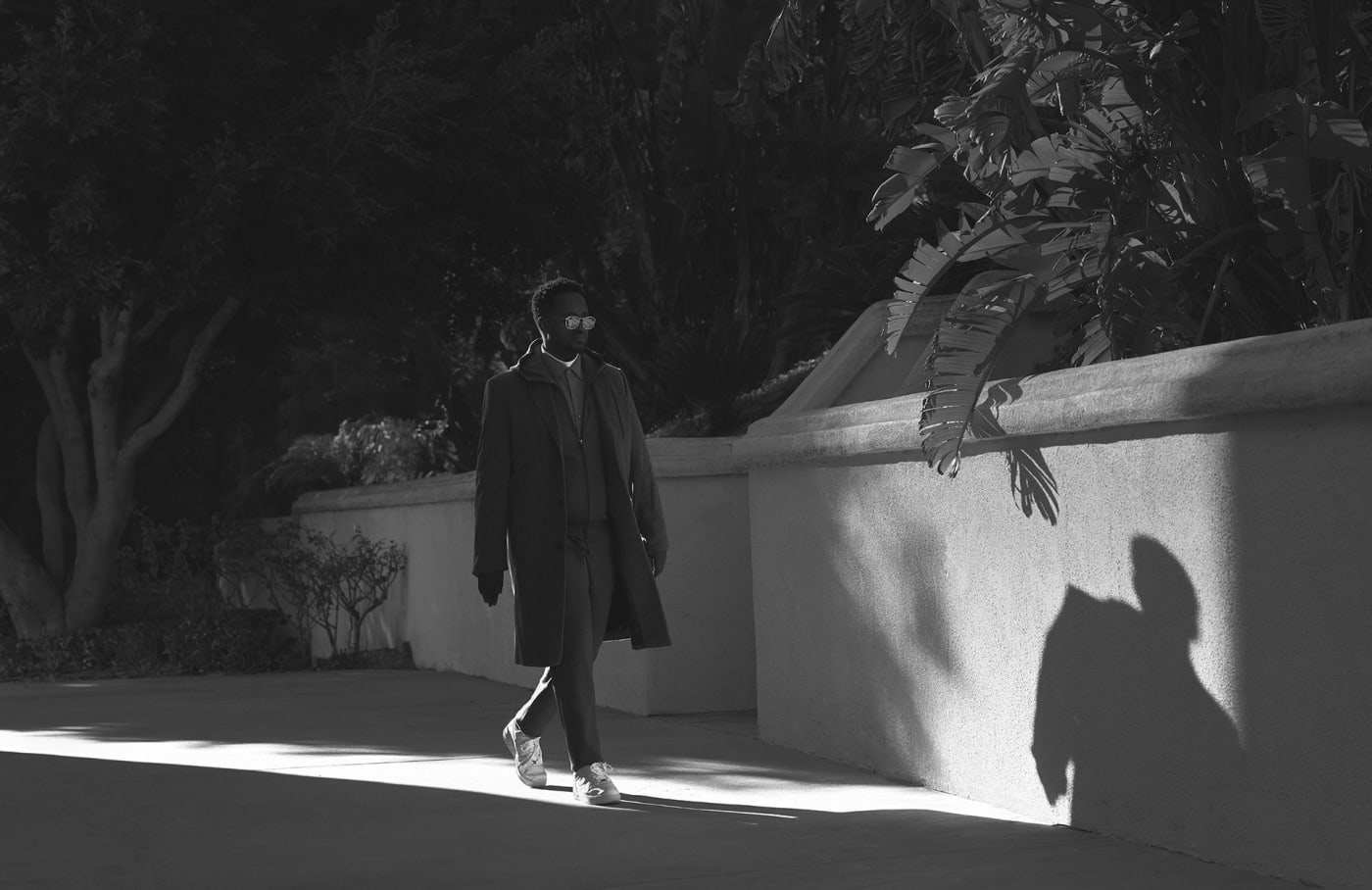
Photo Credit: Matt Barnes
Emanuel is a Canadian R&B artist who released his debut EP back in June 2020. His EP Alt Therapy Session 1: Disillusion features songs about relationships, drugs, sex, and self-reflection; he is able to capture all of this through four songs, in which one is a remix.
Emanuel’s R&B sound is refreshing and different. I would describe it as a soft poetic R&B sound.
The very first song I heard from this album was, Thought It’d Be Easy which is a sad and honest song. In this song Emanuel sings about how it is difficult to move on and forget about someone, and the vulnerability in his voice makes the song much more relatable. His voice is accompanied by a slow tempo that adds to the emotion of the song. The song also presents a message about how you may never be clean, meaning you can do everything to try and forget someone, but you may never be clean of that person.
Need You is a song that I find difficult to describe, but I think UMUSIC describes it perfectly as they say “Emanuel progresses towards, and ultimately descends into a state of disillusionment as the elation from the hope of meaningful human connection in Need You.” Although Thought It’d Be Easy is a song I can personally relate to, I think Need You is the best song on the album.
Addiction is a song about drugs and sex, it’s about feeling good for a moment. The song looks at addiction and how being high or drunk is better than being sober because it makes you feel good. The song makes a comparison between a plane going down and running out of drugs, I believe the song is trying to say that a crashing plane is just as bad as being sober. In this way I think this song is lyrically well-written and very deep.
I highly recommend listening to his EP, Alt Therapy Session 1: Disillusion. Emanuel has a refreshing R&B sound accompanied with very meaningful lyrics, and this combination makes for great music. Checkout his music on YouTube and Spotify.
Community Guidelines
The topic of homelessness has always spurred controversy and debate – should our tax dollars go to helping those who can’t help themselves? (yes). Are we as a society obligated to help those who are not contributing to the economy? (yes). These harsh perspectives, (unfortunately) cannot be silenced – but they can be greatly reduced if we remove the opportunity to post comments anonymously. Both Konnikova and Suler agree that the freedom to post anonymously makes a poster more comfortable with posting hateful vitriol, intended to inflame and upset the reader.

Thus, while we cannot make it impossible for a poster to post anonymously (people can make burner, or “troll” accounts), we can make it more difficult, forcing people to link their opinions to their Facebook or something similar. Through this, people will still have the option to post abrasive comments, but they will have to post it alongside their faces.
Comments which foster a culture of dehumanization, and do not contribute to a healthy and respectful conversation will not be approved (comments do not appear until approved by admin).

Website Progress
As we near the end of the semester, I’m reflecting on how far my website has come, and what I still want to integrate into the site in the coming weeks, beyond the end of the course.
The learning curve for WordPress was steep and frustrating at times – I remember it took me almost 5 weeks to figure out how to implement a drop-down menu for my “PUB101 section”.
The backend programming end of the website has remained a struggle, but I committed myself to accomplish the tasks set before me – the design changes, the formatting changes, and so on and so forth.
In terms of content posted on the site, I’m mostly happy with what I’ve covered, being a range of educational material (how to respond to an overdose, and a bear spray attack), and recommendations for further reading (Never Enough by Judith Grisel, Realm of Hungry Ghosts by Gabor Mate). I’ve touched on issues like stigmatization in the health care system, recording homeless people for internet fame, and provided links for those experiencing homelessness. I’ve shared a fair few numbers of stories about the people I get to interact with.
Something I want to discuss further is the experiences of Indigenous homeless and street-involved persons, and how their experiences differ from their white counterparts. Part of the reason why I haven’t already explored this topic is it’s an enormous topic, informed by a long history of colonial trauma, displacement, and cultural genocide. Instead of attempting to contributing my perspective to the discourse on this issue, I will amplify the lived experiences and perspectives of Indigenous peoples.
Overall, the experience of building a website has been difficult, but rewarding. Moving past the scope of this course, I will likely keep posting, if nothing else as a means by which to process what I’m exposed to at work.
GIF
This is me, jamming to Miss Celion Dion at work, until I was caught by a resident leaving the building.
Art In The Downtown Eastside

Graffiti on the downtown eastside saves lives. For a community disconnected from other sources of news and media, graffiti is regularly used to communicate vital information about the ongoing COVID-19 pandemic…


… as well as the overdose epidemic. Often times graffiti alerts people to the quality of the drugs going around the neighborhood that week, often accompanied with messages to not use alone, and to carry Narcan.


The murals are also often used as a form of mourning for specific loved ones as well as the community broadly speaking. Publicizing the impacts of the overdose epidemic serves as an important reminder to the general public of the ongoing epidemic, and reminds people that the homeless and street-involved community are not to be ignored.


Lastly, the murals can be used to advocate for the rights of homeless folks, and drum up political and social motivation surrounding these issues.


After all – is there any more humane quality than creating art from pain?
